
The facilities management industry stands at the threshold of a technological revolution. As we move through 2026, automated cleaning solutions and smart technologies are no longer futuristic concepts, they’re becoming operational realities that define competitive advantage. For organizations managing everything from hospitals to office buildings, the integration of advanced technology isn’t keeping pace; it’s delivering unprecedented levels of service quality, efficiency, and sustainability.
The Technology Transformation Reshaping Our Industry
The cleaning and facilities management sector is experiencing what industry experts call a “tech revolution” that fundamentally changes how services are delivered. According to Fortune Business Insights, the global cleaning robots market alone reached $18.17 billion in 2025 and is projected to surge to $76.61 billion by 2034, a compound annual growth rate of 17.5%. This explosive growth reflects a broader industry shift toward automation, artificial intelligence, and data-driven operations.
But what does this mean for the facilities we manage every day?
From Reactive to Proactive: The Power of Smart Technology
Traditional cleaning and facilities management has historically operated on fixed schedules and reactive responses. A floor gets cleaned every Tuesday at 3 PM because that’s what the schedule says, not necessarily because that’s when it actually needs attention. Equipment breaks down, and teams scramble to fix it. This approach, while familiar, leaves significant value untapped.
Modern smart cleaning technology transforms this paradigm entirely. Today’s advanced systems utilize sensors, Internet of Things (IoT) connectivity, and artificial intelligence to create what industry leaders call “intelligent cleaning strategies.” Rather than following rigid schedules, these systems respond to actual conditions, cleaning high-traffic areas more frequently while optimizing resources in less-used spaces.
The results speak for themselves. According to research from Kent State University, facilities implementing AI-driven systems in their central utility plants achieved $470,000 in annual utility cost savings by monitoring 1,000 input variables and making 150 control decisions every 15 minutes.
The Three Pillars of Modern Facilities Technology
1. Automation That Works Smarter, Not Just Harder
The ISSA (International Sanitary Supply Association) identifies automation as one of the defining trends since 2025. But modern automation goes far beyond simple robotics.
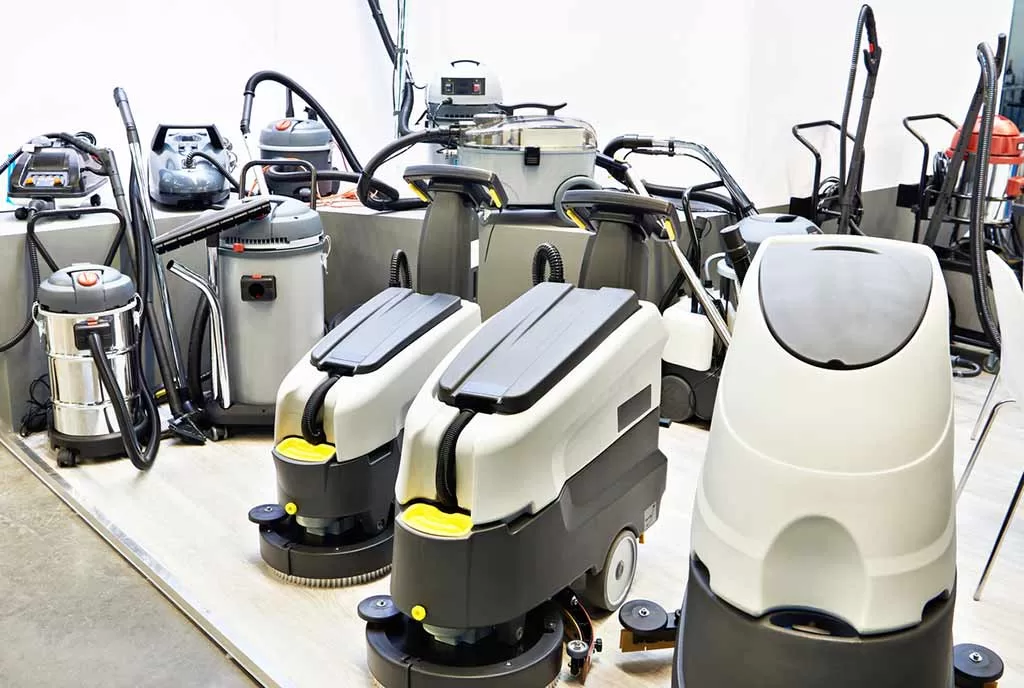
Today’s advanced cleaning equipment features:
- Autonomous Navigation: Sensors and mapping technology enable equipment to navigate complex spaces independently, optimizing cleaning paths and avoiding obstacles without human intervention.
- Adaptive Performance: Systems that adjust cleaning intensity based on real-time dirt detection, ensuring thorough results while conserving resources.
- Continuous Operation: Equipment capable of working extended hours without fatigue, dramatically increasing productivity while reducing labor costs.
For facilities in Puerto Rico and across the United States, this means more consistent service delivery even amid the ongoing labor shortages affecting the industry. As noted in Facilities Dive’s 2026 predictions, commercial building operators are increasingly turning to automation to “do more with leaner teams and faster timelines.”
2. Data-Driven Insights for Strategic Decisions
Perhaps the most transformative aspect of modern facilities technology isn’t what it does, it’s what it knows.
IoT sensors and connected devices continuously collect data on everything from:
- Real-time occupancy patterns
- Supply consumption rates
- Equipment performance metrics
- Environmental conditions
- Service quality indicators
This data stream enables what Facilio’s research calls the shift “from reactive to proactive and strategic” facilities management. Rather than waiting for problems to emerge, facility managers can identify potential issues before they impact operations.
AI adoption in facility management is expected to surpass $12 billion globally by 2026, growing more than 33% annually. Organizations leveraging these technologies report measurable improvements in cost reduction, energy performance, and operational uptime.
3.Sustainability Through Technology
Environmental responsibility has evolved from a competitive differentiator to a fundamental operational requirement. According to the Interclean 2026 Trend Report, sustainability and Environmental, Social, and Governance (ESG) criteria are now “central to the professional cleaning industry.”
Advanced cleaning technology supports sustainability goals through:
- Optimized Resource Usage: Smart dispensers and sensors monitor chemical and water consumption, preventing waste while maintaining effectiveness.
- Energy Efficiency: Modern equipment consumes significantly less power than traditional alternatives. Some organizations report 10-20% reduction in energy costs through intelligent systems that operate only when and where needed.
- Reduced Chemical Dependence: Advanced technologies enable chemical-free cleaning solutions like electrolyzed water systems that are safe for both the environment and cleaning staff.
Moving Forward
The technological transformation of facilities management is well underway. The question facing organizations isn’t whether to embrace these advances, but how quickly to implement them and how strategically to integrate them into existing operations.
For facilities management partners and their clients, the message is clear: the future belongs to those who combine technological capability with operational excellence and genuine commitment to service. As we navigate 2026 and the years ahead, that combination will define success in our industry.
For over 50 years, Fuller Group has been Puerto Rico’s premier provider of integrated facilities management solutions. From housekeeping and landscaping to pest control and beyond, we deliver comprehensive services that keep facilities operating at peak performance. Learn more about our services. Let’s talk!
Measurable Impact: The Business Case for Technology Investment
For facilities management companies and their clients, the question isn’t whether to adopt advanced technology, it’s how quickly to implement it. The financial and operational benefits are increasingly clear.

Cost Reduction and ROI
Research from CMMS providers indicates that modern facilities management systems typically deliver:
- 15-20% reduction in maintenance costs through automation and optimization
- 10-15 hours saved per week per team member by eliminating manual processes
- 25-30% improvement in renewable energy ROI through intelligent energy management
Operational Excellence
The operational improvements extend beyond pure cost savings:
- Extended Equipment Lifespan: Predictive maintenance capabilities identify potential failures before they occur, preventing costly breakdowns and extending asset life.
- Improved Service Consistency: Automated systems deliver uniform results regardless of shift changes or staff turnover.
- Enhanced Compliance: Digital documentation and automated tracking ensure facilities meet increasingly stringent health and safety standards.
What Implementation Actually Looks Like
The shift to technology-enabled facilities management doesn’t happen overnight. Successful organizations approach implementation strategically:
Phase 1: Assessment and Planning
- Evaluate current operations to identify improvement opportunities
- Establish clear metrics for success
- Select technologies aligned with specific operational goals
Phase 2: Pilot Programs
- Test new systems in controlled environments
- Train staff on operation and maintenance
- Refine processes based on real-world performance
Phase 3: Scaled Integration
- Expand successful pilots across facilities
- Integrate new technologies with existing systems
- Continuously optimize based on performance data
Looking Ahead: The Facilities Management of Tomorrow
As we progress through 2026 and beyond, several trends will shape the continued evolution of facilities management technology:
Integrated Ecosystems
Industry analysts predict that “facilities management tech stacks will reach a new level of maturity” as organizations integrate CMMS platforms, building automation systems, IoT sensors, and asset data into unified systems. This integration enables comprehensive facility intelligence rather than isolated data points.
AI-Driven Decision Making
Artificial intelligence will move from pilot projects to operational deployment. Facilities teams will deploy “purpose-built AI agents trained on internal data and workflows to handle administrative work, surface insights, and automate coordination.”
Human-Technology Collaboration
Despite automation advances, the most successful facilities management organizations recognize that technology enhances rather than replaces human expertise. As FM Newsroom notes, success in 2026 depends on how well organizations “combine smart systems with capable teams and responsible practice.”
The Competitive Imperative
For facilities management companies, the integration of advanced technology represents more than an operational upgrade, it’s becoming a competitive requirement. Organizations that act now will see the clearest benefits: lower operating costs, smoother service delivery, stronger compliance, and facilities that adapt in real time to occupant needs.
The gap between technology leaders and laggards in facilities management will widen significantly in 2026 and beyond. Organizations still relying solely on traditional methods will find themselves at an increasing disadvantage in cost efficiency, service quality, and talent attraction.
A Foundation Built on Innovation
At Fuller Group, we’ve built our reputation over 50 years on a simple principle: deliver exceptional service through continuous improvement and innovation. As the facilities management industry transforms, we’re committed to integrating advanced technologies that enhance the quality, efficiency, and sustainability of the services we provide across Puerto Rico and beyond.
The future of facilities management isn’t about technology replacing the human touch that defines excellent service. It’s about empowering our teams with tools that enable them to work smarter, deliver more consistent results, and focus their expertise where it matters most, ensuring the facilities we manage support the success of the organizations and communities we serve.
Moving Forward
The technological transformation of facilities management is well underway. The question facing organizations isn’t whether to embrace these advances, but how quickly to implement them and how strategically to integrate them into existing operations.
For facilities management partners and their clients, the message is clear: the future belongs to those who combine technological capability with operational excellence and genuine commitment to service. As we navigate 2026 and the years ahead, that combination will define success in our industry.
For over 50 years, Fuller Group has been Puerto Rico’s premier provider of integrated facilities management solutions. From housekeeping and landscaping to pest control and beyond, we deliver comprehensive services that keep facilities operating at peak performance. Learn more about our services. Let’s talk!